
Transitioning from Learning Sounds
to Reading Words
Wondering if you're doing enough?
If you're teaching your child to read, you've probably asked yourself questions like these...
Am I doing enough?
Are we ready to move on?
Should my child still be sounding out every word?
Why is everyone else's child reading chapter books?
Did I miss something?
If you've had these thoughts, you're not alone.
After teaching first and second grade for more than 24 years, I can tell you that children learn to read at different speeds. The important thing isn't how fast they move—it's that they build a strong foundation.
Before worrying about harder books, focus on consistent daily practice.
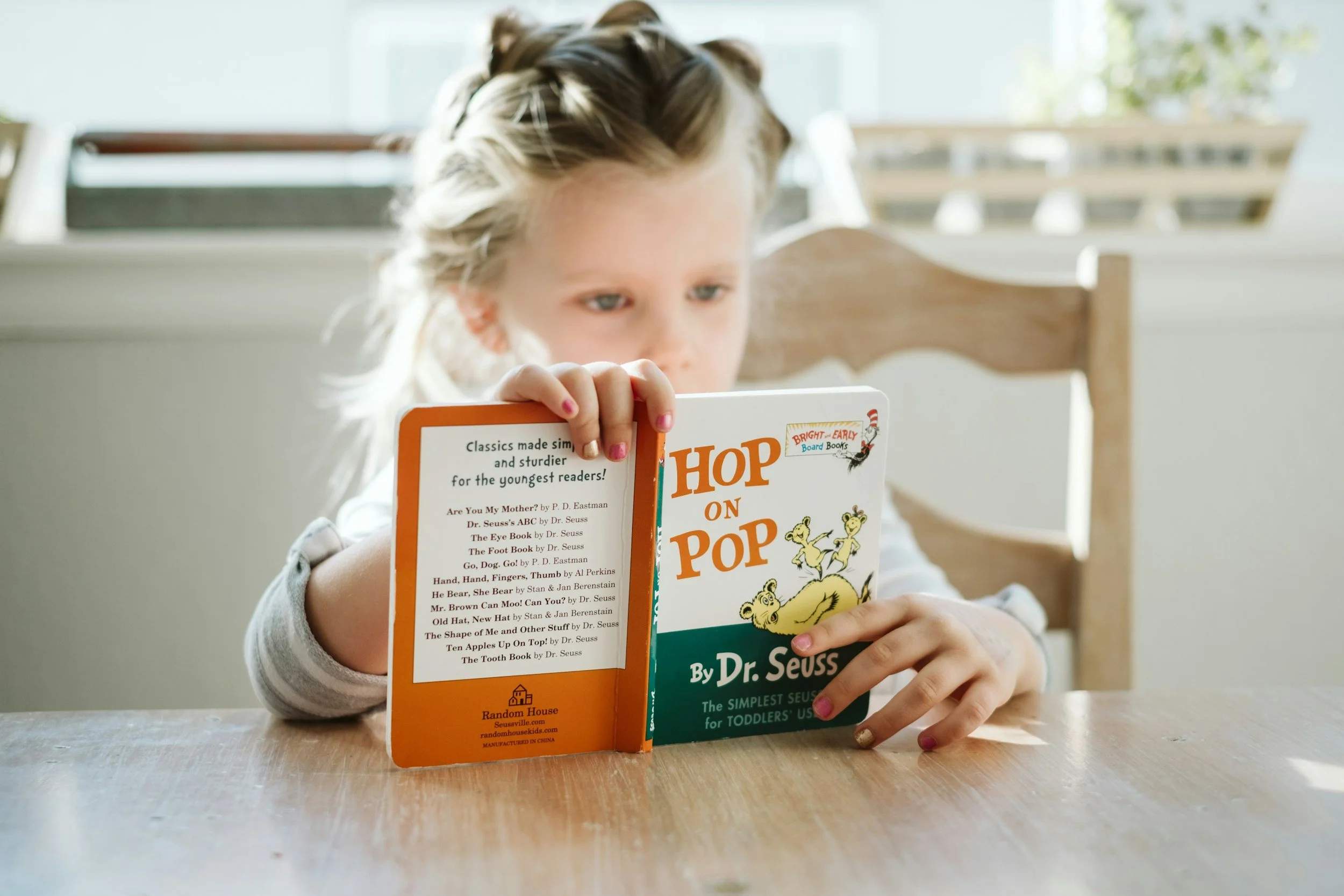
My goal isn't to give you more things to teach. My goal is to help you know what to teach next—and to make learning to read one of the happiest parts of your day.
You don't need an expensive reading program to teach a child to read. If I were starting over with only a few simple materials, these would be my priorities.
If I had no special supplies, this is exactly what I would do.
1. Practice a Daily Phonics Drill
Spend a few minutes each day reviewing letter names, letter sounds, and phonics patterns using simple charts. Daily review builds confidence and helps children remember what they've learned.
2. Write Words
On one day write words. (see the section on this website that gives a more detail explanation on how to do this. Writing helps children hear each sound and connect those sounds to letters. Write with them but let them do the thinking.
3. Build Words
On another day, build words with letter cards, ( You can download a set in my shop if you don’t have access to a printer that can print double-sided, reach out to me. Reading and spelling grow together, and making words is one of the best ways to strengthen both skills and if gives variety to doing the same skill. An investment in these letter cards might your best investment as they can also be used for higher skills in 2nd & 3rd grade.
4. Practice Flash Cards
Review familiar words and a few challenging words every day. Keep it fun! Celebrate success with something simple—a pretzels, a pennies, and definitely lots of praise. Children learn best when practice feels encouraging instead of stressful. ( I reward one penny or 1 stick pretzel per card they earn… for this activity if I have to help, I get the card.)
5. Read Together Every Day
Read predictable books together using whatever books you already have. If your child isn't ready to read every word independently, that's perfectly okay. You can shadow read but make sure they follow the words with their eyes and your fingers. Let your child "shadow read" by reading along with you. They're still learning that spoken words match the words on the page, and that's an important step toward becoming an independent reader.
Remember...
Children don't become readers overnight.
They become readers through short, consistent lessons that are enjoyable and successful.
Simple daily routines, lots of encouragement, and time together are far more important than having the newest curriculum.
One page...
One word...
One success at a time.
That's how confident readers are made.
Books I centered my first grade classes around were often from the Henry & Mudge and Mr. Putter books. In second grade I focused a lot on Magic Treehouse books by Mary Pope Osborne. If you are familiar with Paperbackswap.com , It a great place to swap books you no longer want.
"These are some of the readers I used in my classroom because they carefully introduced one skill at a time. If you can find them at a library, used bookstore, or online, they make wonderful beginning readers—but don't worry if you can't. The important thing is choosing books with controlled vocabulary so your child experiences success."
Little Cat Feet, Good Fences, Maybe a Mile, (These are from the older Keys to Reading series — great controlled readers, but harder to find . You might check used bookstores or libraries for them as a bridge to first grade or even beginning First Grade. This is one of the best resources I used.)
Yellow Fish, Blue Fish (Level PP1) by Laurene Krasny Brown, illustrated by Marc Brown.
My Friends the Frogs (Level PP2) by James Marshall.
Grab That Dog! (Level PP3) by Tomie dePaola (with Sherry Forman Litwack).
These are short, illustrated readers with simple stories, poems, and activities (like making a bookmark or hat) to build early reading skills, sight words, and phonics in a fun way.
These are out of print but still available used on several sites:
Amazon, eBay, AbeBooks, ThriftBooks, and Etsy often have individual copies
Use market+Archives.org