
Establish a Daily Phonic Routine
for
First & Second Graders
If I had no special curriculum or expensive teaching materials, this is the simple daily routine I would follow…
A Simple Daily Reading Routine
Children learn best when reading practice becomes part of a predictable daily routine.
You don't need a complicated schedule.
You simply need to know what comes next.
My routine looks like this:
1. Letter & Sound Review in the form of a Daily Phonics Drill
2. Phonic Chart Instruction & Practice
3. Writing & Spelling (reinforcing phonic rules & sounding out words)
4. Work on a few pages (from your language arts curriculum you are currently using)
5. Reading Practice
🐝 Mrs. Bee's Tip: Don't worry if your child doesn't master everything right away. Things take time. Learning to read is built through short, consistent practice. Five good short days of practice are far more effective than one long, frustrating lesson.
About Mrs. Bee's Learning Studio
Mrs. Bee's Learning Studio creates printable phonics, reading, and comprehension resources for homeschool families, parents, and elementary teachers. Every activity is designed by a veteran elementary reading teacher with over 24 years of classroom experience to help children become confident readers.
Letter & Sound Review A Daily Phonics Drill
Build the Phonics Foundation
Before children can become confident readers, they need a strong phonics foundation. Whether your child is in kindergarten, first grade, or is an older struggling reader, this is where I would begin.
🎥 Watch Mrs. Bee demonstrate the Daily Phonics Routine.
Daily Phonics Practice
Spend just a few minutes each day reviewing letter names, letter sounds, and phonics patterns.
Children learn through consistent repetition. They don't have to master everything in one day. Little by little, those sounds become automatic. I started every single day with this drill… 185 days a year.
One of my tutoring students once told me he was tired of saying our daily phonics drill because he was "saying it in his sleep." I smiled and told him, "That's great...because it means your brain is remembering!" We kept practicing anyway.
Whether your child says every sound aloud or simply listens and follows along, the routine is still strengthening the connections needed for reading.
"How can you sound out big words if you don't have the basics?"
🎥 Watch the Daily Phonics Routine with students.
Phonic Chart Instruction & Practice
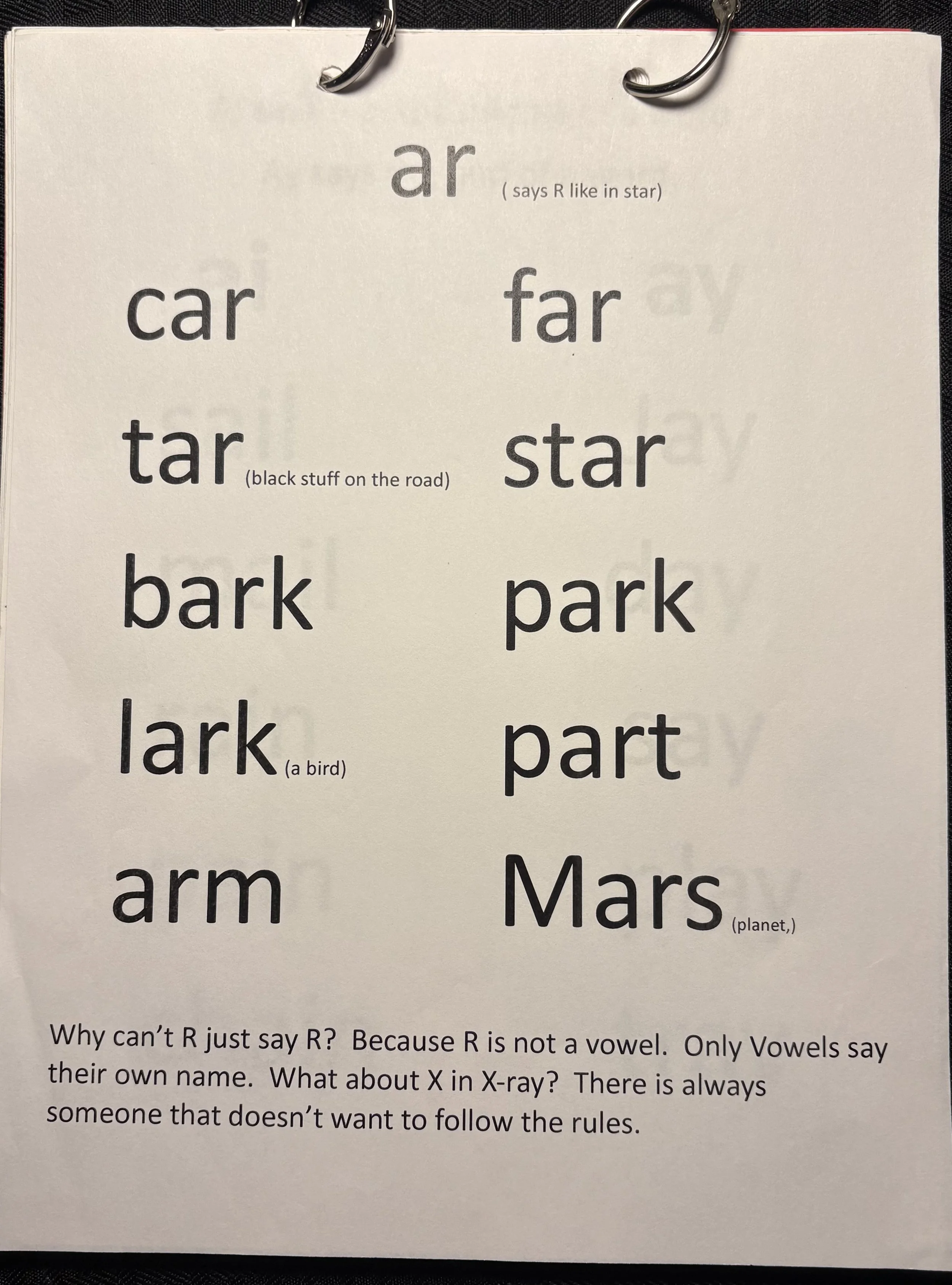
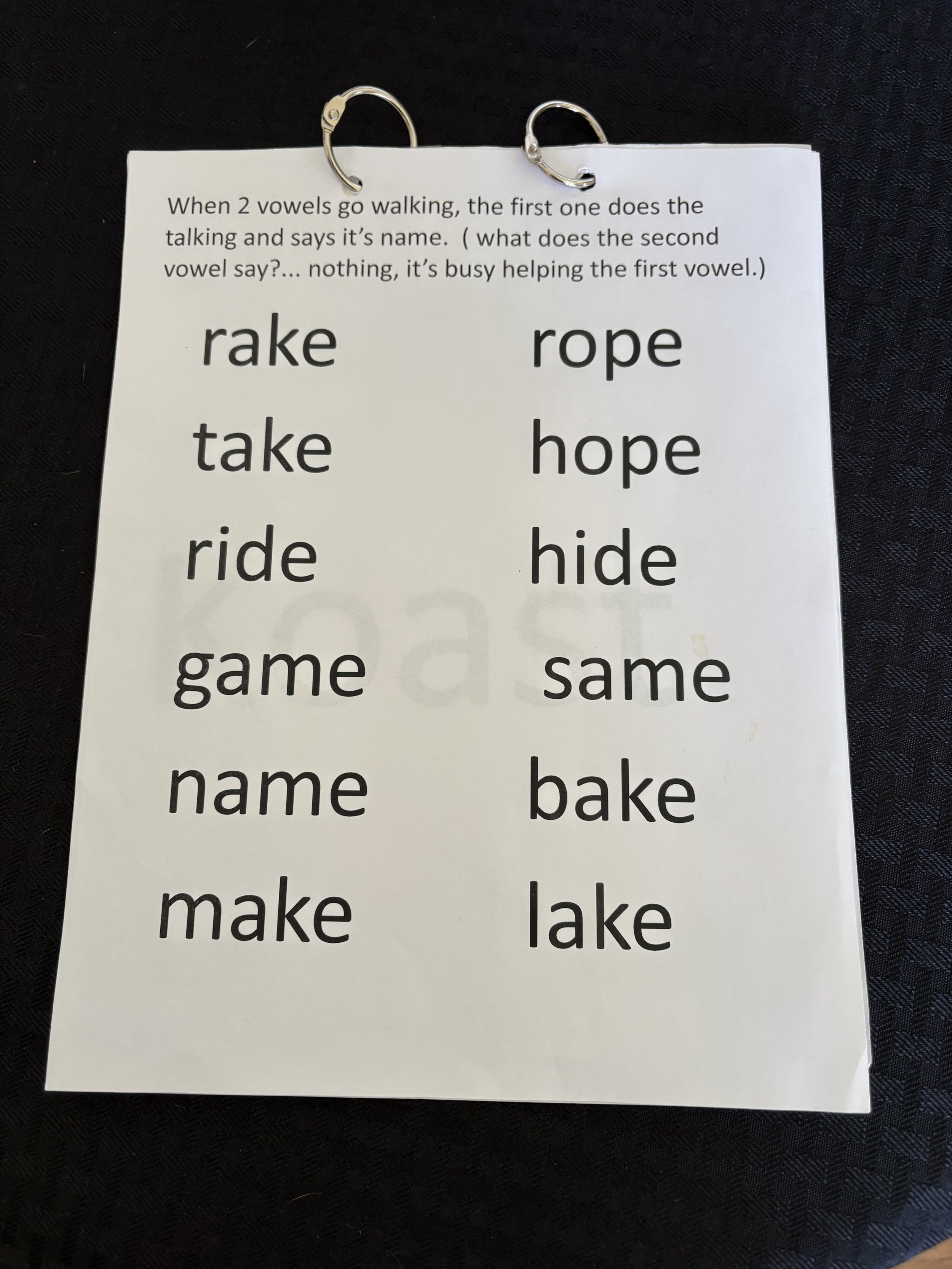
Phonics charts are one of the most valuable teaching tools you can use to help your child become a confident reader and speller. Each chart introduces one phonics concept or spelling pattern that your child will practice until it becomes familiar.
Introduce one new chart at a time. As your child learns each new phonics rule, simply add that chart to your growing collection. Before long, you'll have your own personalized set of phonics charts to use during your daily reading routine.
Right after your daily Phonic Drill go right into practicing 3–4 charts that have already been introduced. Draw attention to them when you notice them during both reading and writing times.
I recommend printing each chart on 8.5" × 11" paper and placing two holes at the top so the pages can be flipped easily during your daily lessons. If you're teaching in a classroom, consider rewriting the charts on poster board or chart paper for easier visibility.
If you're beginning with first grade and have not been gone through the kindergarten program with me, I encourage you to visit the Kindergarten Phonics Charts and add those foundational charts to your collection.
One final note: you'll often hear me refer to certain high-frequency words as "Red Words." These are words that don't follow the phonics patterns, so sounding them out isn't always helpful. I write these words in red as a visual reminder that they need to be recognized by sight. In the Phonics Charts section, I'll share in more detail the strategies I've found most effective for helping children master these challenging words.
Writing & Spelling
An opportunity to reinforcing phonic rules & sounding out words
Writing and spelling give children an opportunity to apply the phonics skills they are learning. As they write letters, sound out words, and practice spelling patterns, they strengthen the connection between reading and writing.
Encourage your child to listen for the sounds they hear and write the letters that match those sounds. Confidence grows through practice.
For more detailed ideas, about successful writing & spelling instructions—including Make-a-Word activities—visit the Writing section on the first grade toolbox.

Language Arts Lesson
Continue with Your Language Arts Curriculum

Continue to work on the Language Arts Curriculum you are currently using. Most families already have a language arts program they enjoy. This is a great time to complete the next few pages or lesson. Remember, you don't have to finish every page. Focus on the activities that best support your child's learning.
Reading Practice
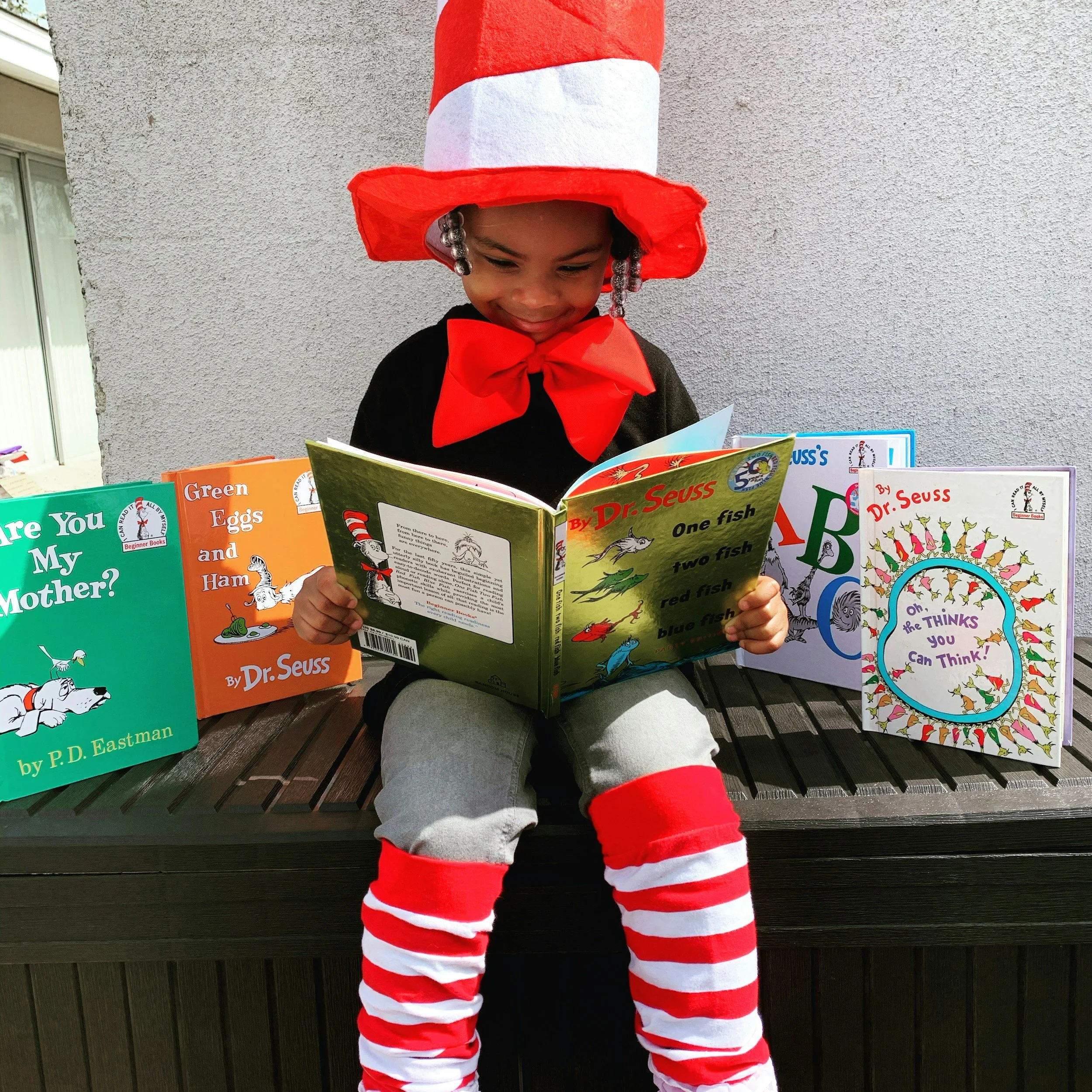
Reading practice is where all of your child's hard work begins to come together. As you create fun ways to practice reading words and they practice reading books, they learn to use the phonics skills they've been developing during your daily lessons.
Read predictable books together using whatever books you already have. If your child isn't ready to read every word independently, that's perfectly okay. You can shadow read by reading together while your child follows the words with their eyes and your finger. This helps children connect spoken words with the printed words on the page—an important step toward becoming an independent reader.
As your child's confidence grows, gradually encourage them to read more on their own. Keep reading time enjoyable, encouraging, and free from pressure.
For more ideas on building reading fluency and helping your child understand what they read, visit the Word Fluency and Bookshelf & Comprehension pages.
About Mrs. Bee's Learning Studio
Mrs. Bee's Learning Studio creates printable phonics, reading, and comprehension resources for homeschool families, parents, and elementary teachers. Every activity is designed by a veteran elementary reading teacher with over 24 years of classroom experience to help children become confident readers.