
Welcome to the Phonic Chart Library
Strong readers don't memorize thousands of words—they learn the phonics patterns that unlock them. These free phonics charts teach one reading and spelling pattern at a time, giving your child the tools to read and spell with confidence.
How to Get Started
Don't introduce all of the phonics charts at once. Add one new chart at a time and continue reviewing the charts your child has already learned during your daily phonics practice.
Where you begin depends on your child's current reading skills.
If your child knows fewer than half of the letter sounds, spend time learning letter sounds before beginning the Phonics Charts.
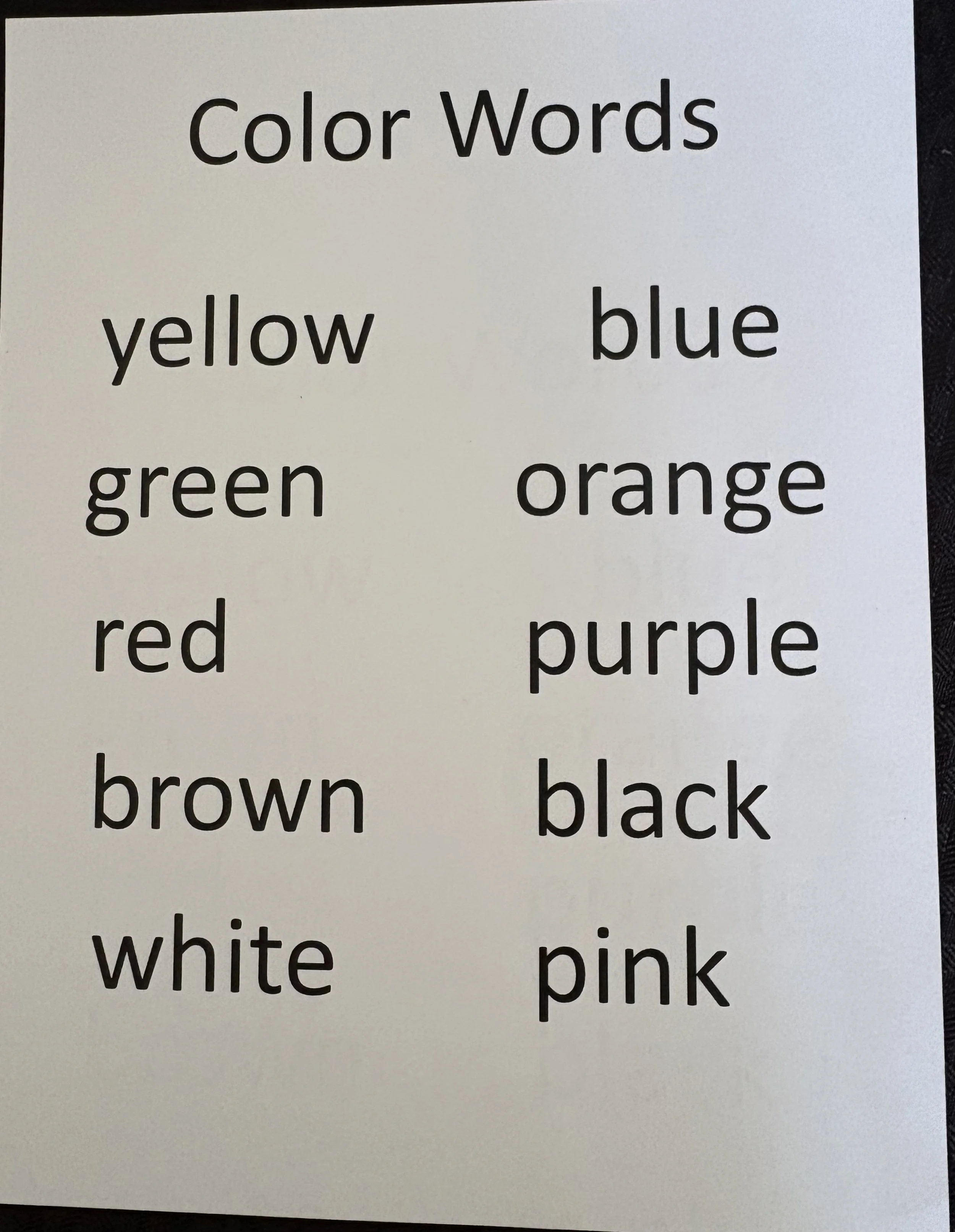
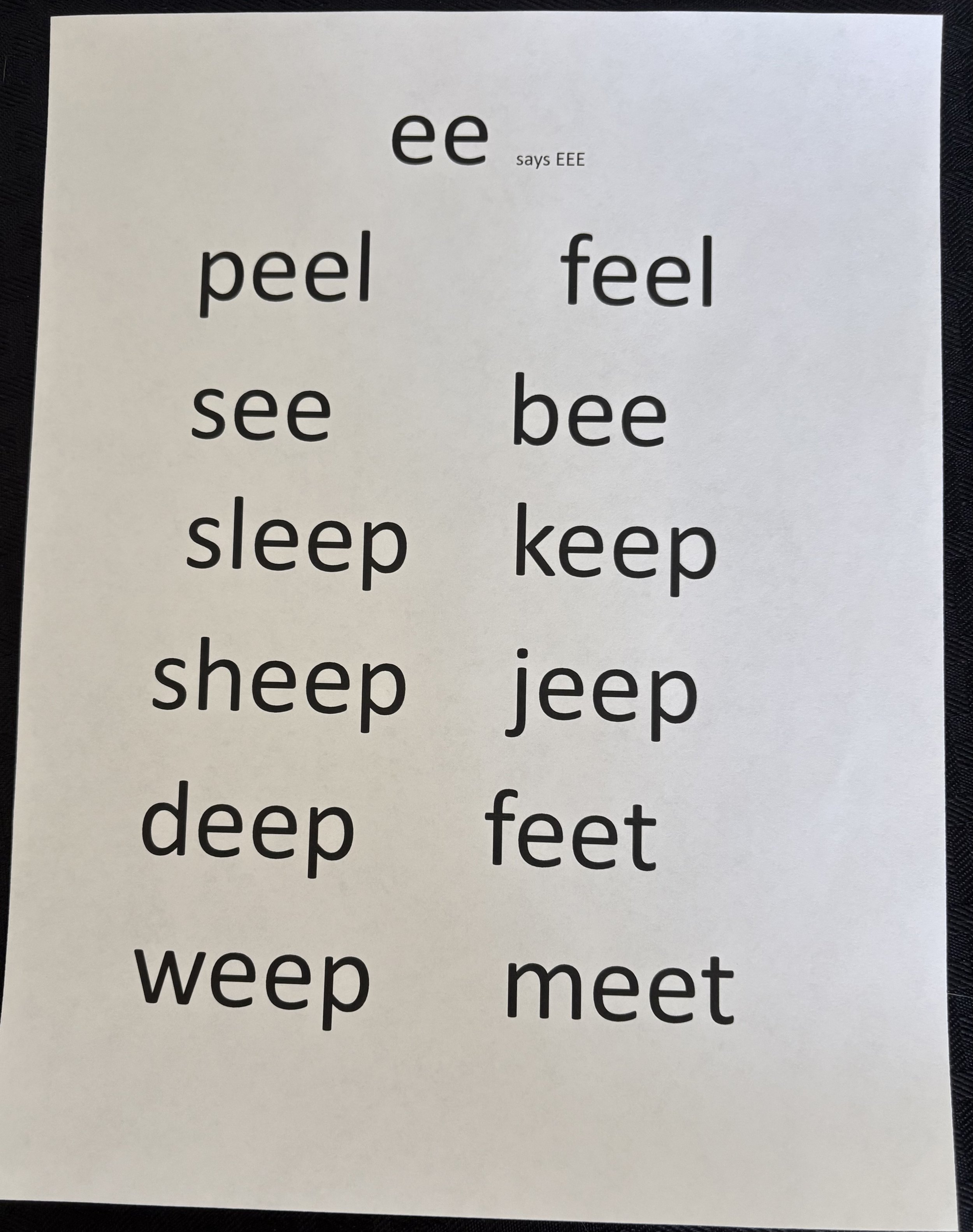
If your child knows most of the letter sounds but is not yet reading words, begin with the Color Words, Baby Words, and EE Words charts. These charts provide an excellent foundation for beginning readers.
If your child is already reading simple three-letter words, you can begin adding more advanced phonics charts as new spelling patterns appear in your reading lessons.
As your child's confidence grows, simply add one new chart at a time. There is no need to master every chart before introducing another. Daily review is what helps these spelling patterns become familiar and automatic.
The Goal: here isn't to memorize dozens of phonics rules . As your child practices the charts a little each day, the patterns become so familiar almost like that favorite jingle or a commercial you can't get out of your head. Eventually children begin to recognize these spelling patterns automatically, making both reading and spelling easier and more enjoyable, because we enjoy what we feel confident in.
First Rule:
Most of the time, these phonics rules work exactly the way we expect them to. But remember... there's always someone who likes to break the rules!
That's true with words, too. Don't worry—every phonics rule has a few exceptions. We'll learn the patterns first, and then we'll learn the words that don't quite follow the rules.
Foundation Charts
You can create a simple Phonics Flip Chart. Print the charts, punch two holes at the top, and fasten them together with a book ring. As you introduce new phonics patterns, simply add each new charts to the flip chart. Soon you'll have a personalized collection of phonics patterns that is easy to review during your daily reading routine.
These first six foundational charts provide an excellent starting point for children who know many of the letter sounds and are ready to begin learning common phonemic patterns. This set includes :
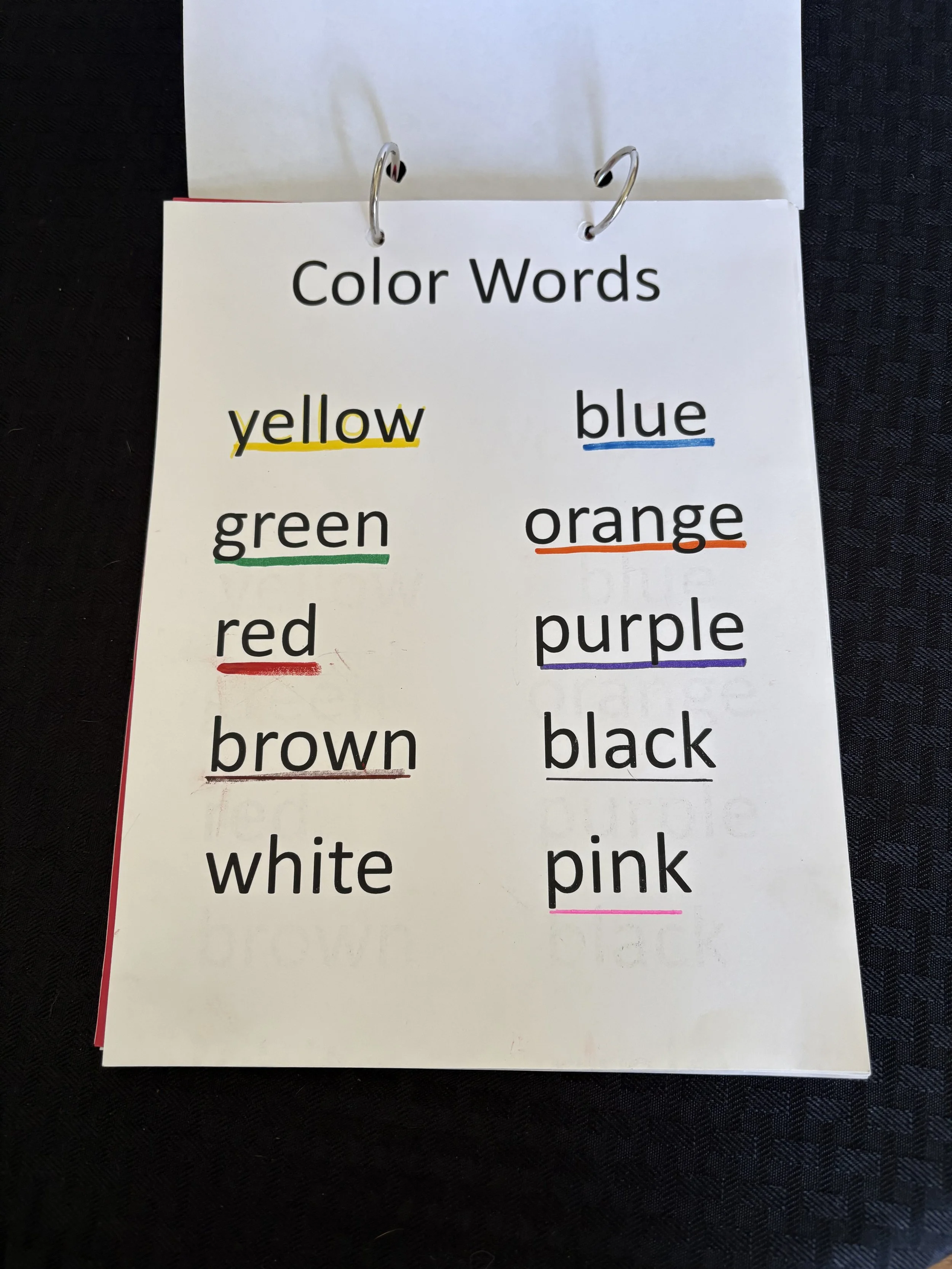
Color Words
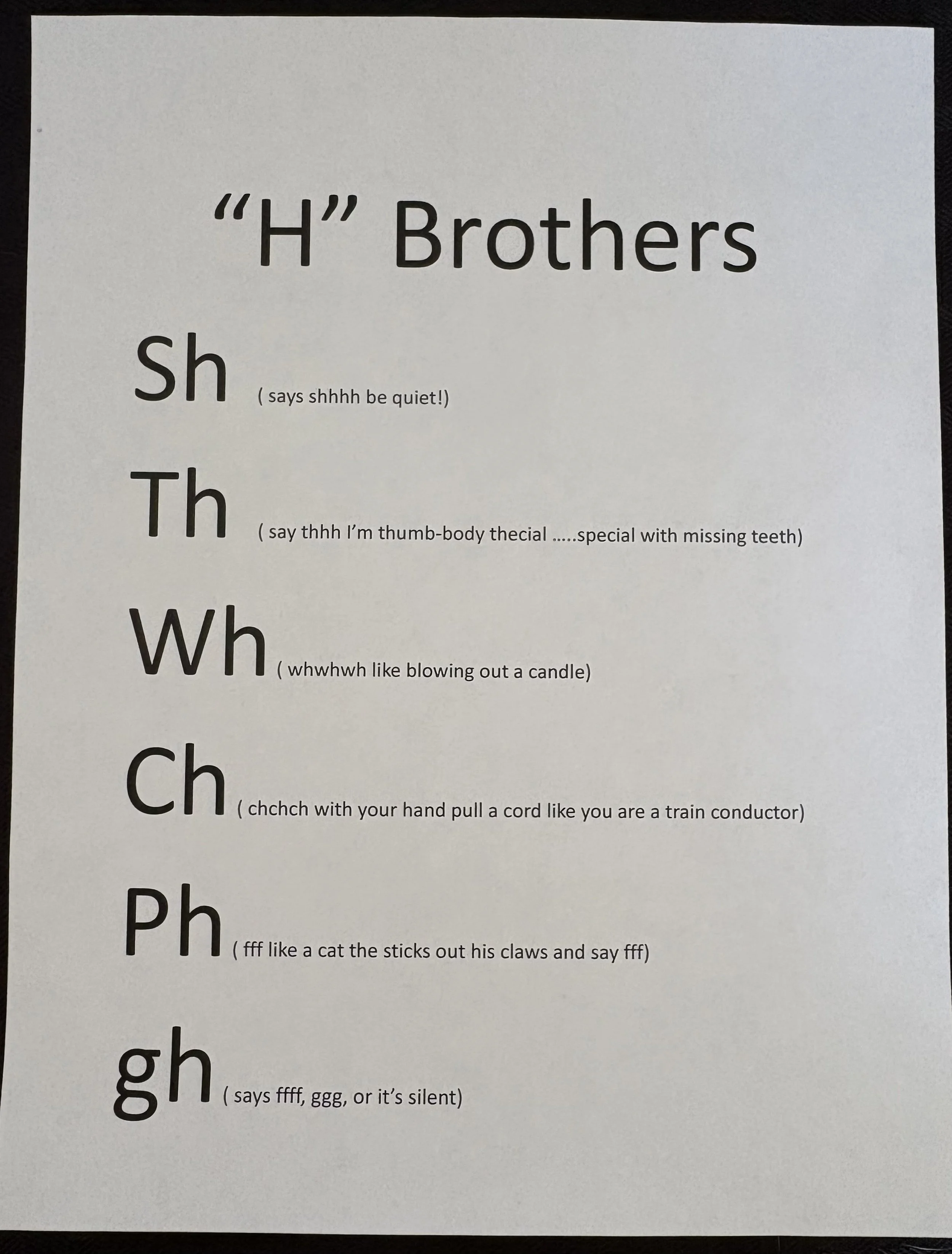
“H” Brothers
Baby Words
EE Words
Started with the Color Words.
These are the most important charts for children in the beginning stages of reading.
Print 2 copies of the Color Words pages.
On one copy, underline each color word using the matching color.
Markers work best
Crayons work well too
Work towards reading the one without the color clues
Place 2 hole punches at the top of the pages.
Add binder rings so pages can flip easily as you build your chart set.
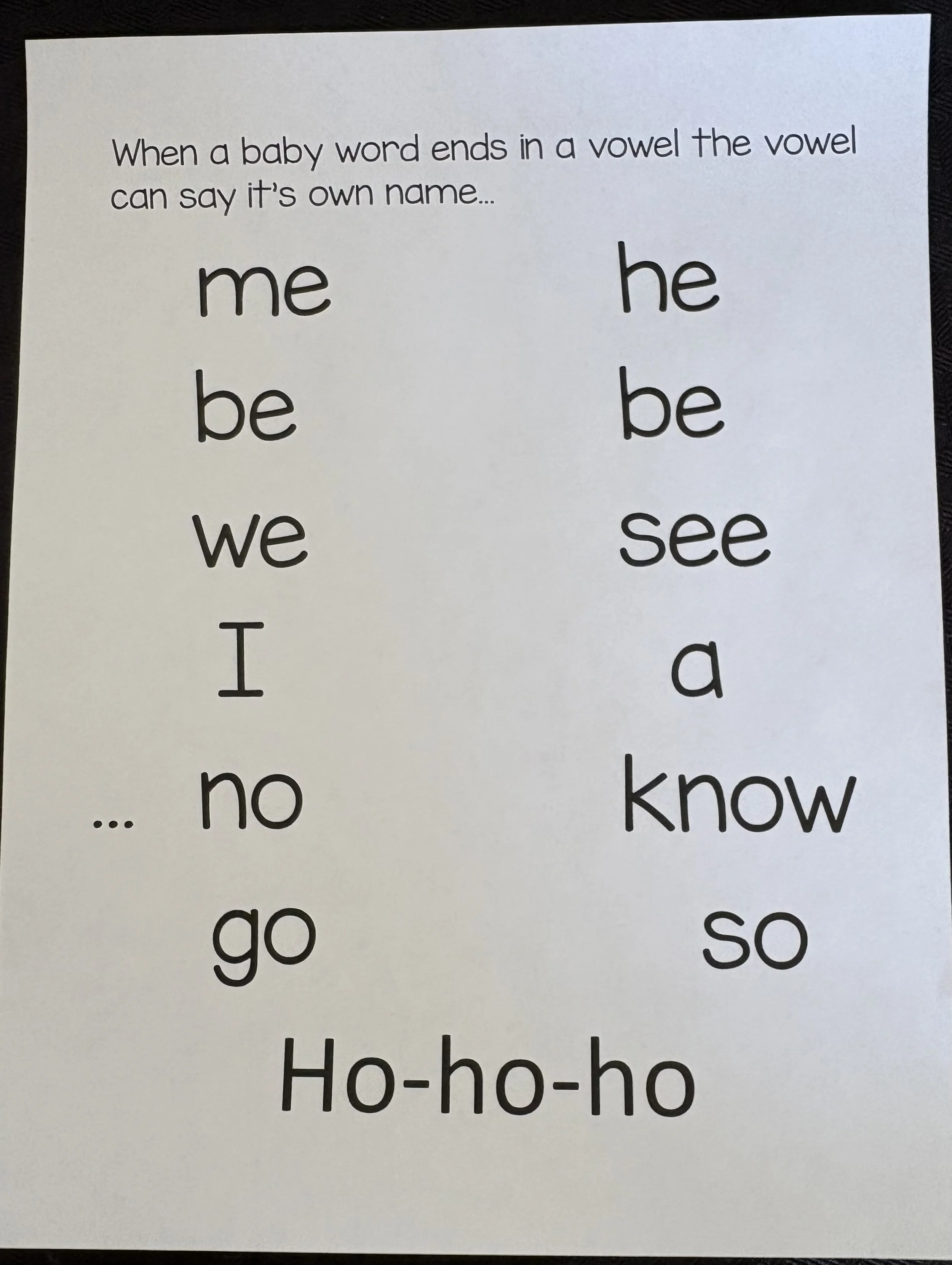
Baby Words..
When a “baby word” ends with a vowel …
The vowel can say it’s own name..
Note: be sure to practice the third sound of “o” during you phonic drill. so you are ready for some rule breakers.
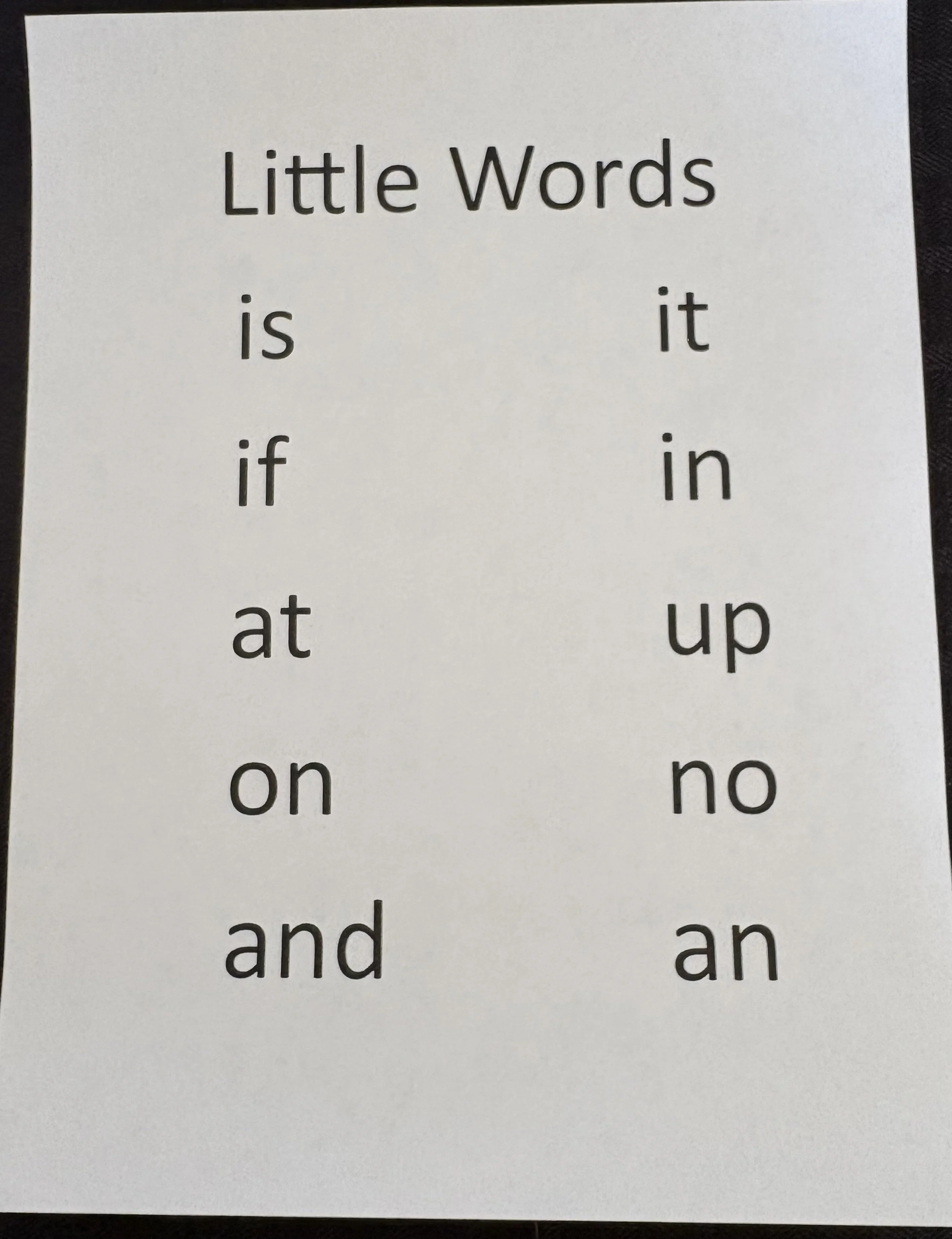
Short Vowel Little Words
These word do not end in a vowel so they do not follow that same rule.
They use their short sound
Add the “h” brothers..
These letters are called “h” brothers because the all have an h in them.
There are 2 sets of “H” brothers
the large set is to be cut apart and added to the end of your phonic drill.
the second one can be hole punched and added to your phonic flip chart.
ee words
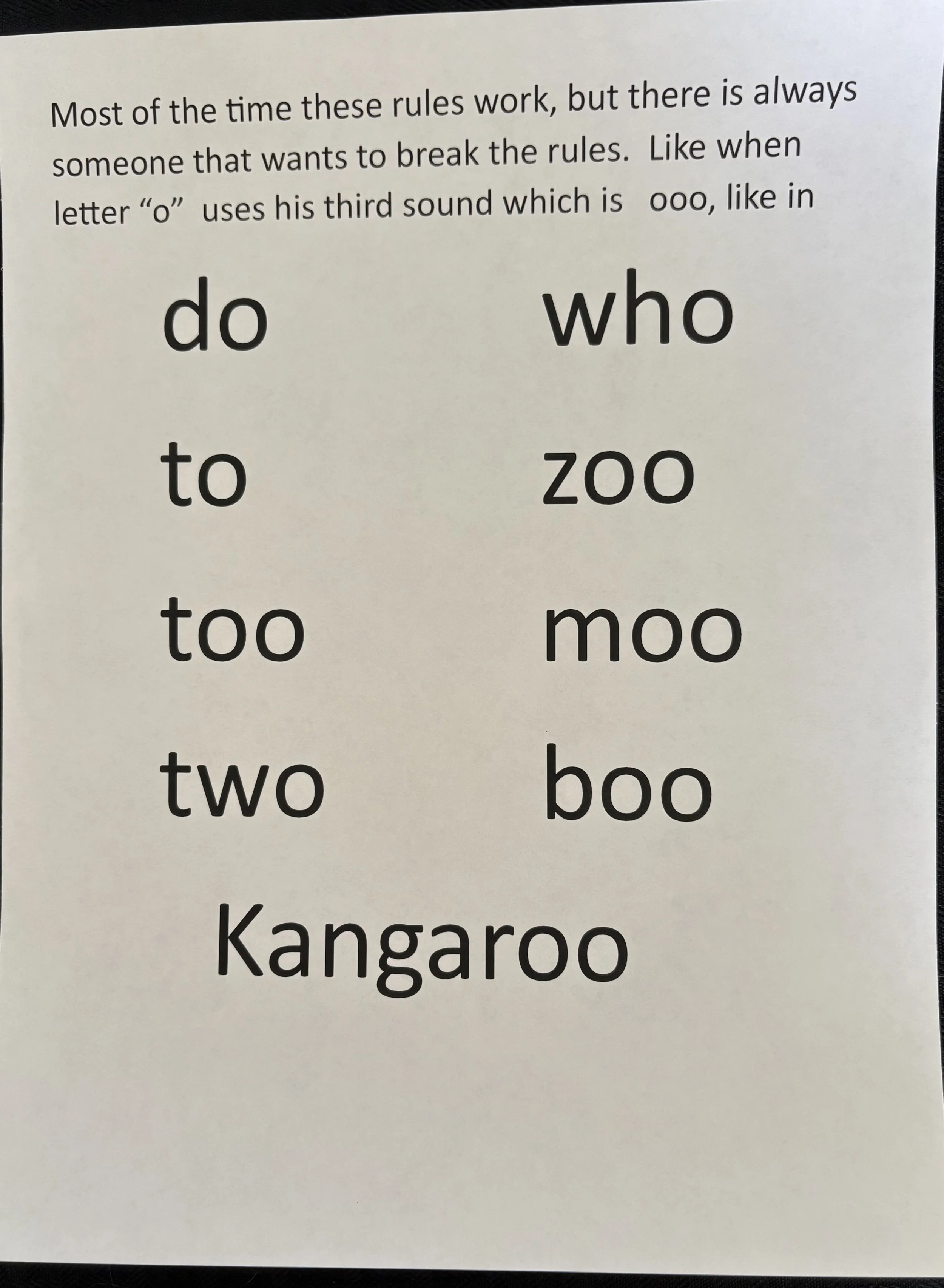
Rule Breakers
Most of the time these phonic rules work, but there is always someone that wants to break the rules
. Like when letter “o” uses his third sound which is ooo like in …..
When to Add More Charts?
Move at your child’s pace. A strong foundation matters more than speed.
Usually I suggest introducing one or two new charts per week but these charts can be added much more quickly.
You are helping your child build strong reading habits by using the Mrs. Bee phonics charts as part of a simple daily routine. These charts are designed to grow with your learner step by step.
2. Blends & Special Vowel Patterns
These next six charts in the Phonics Chart Library were carefully selected because I believe they give children the greatest opportunity for reading success as early as possible. They are not presented in the order found in most textbooks. Instead, they are taught in a sequence that has been tested and refined through many years of classroom experience.
This is the same plan I used with my own students year after year. It has proven successful with children who learned quickly, children who needed extra time, and children with a wide variety of learning styles and personalities. More importantly, it helped my students gain confidence, experience success, and develop a genuine love of learning—something no textbook alone can provide.
I believe every child can learn to read. Every child deserves the opportunity to become a successful reader, including children who struggle or have special learning needs. My hope is that these charts will give you practical tools and encouragement as you help your child build a strong foundation for a lifetime of reading success.
This set includes:
Beginning Blends
Silent e
oo
ook
ar
ow
Unlike many traditional phonics programs, Mrs. Bee's phonics charts are introduced in a sequence designed to give children the greatest reading success as early as possible.